Why the FROGWire™ Is the Right First Machine
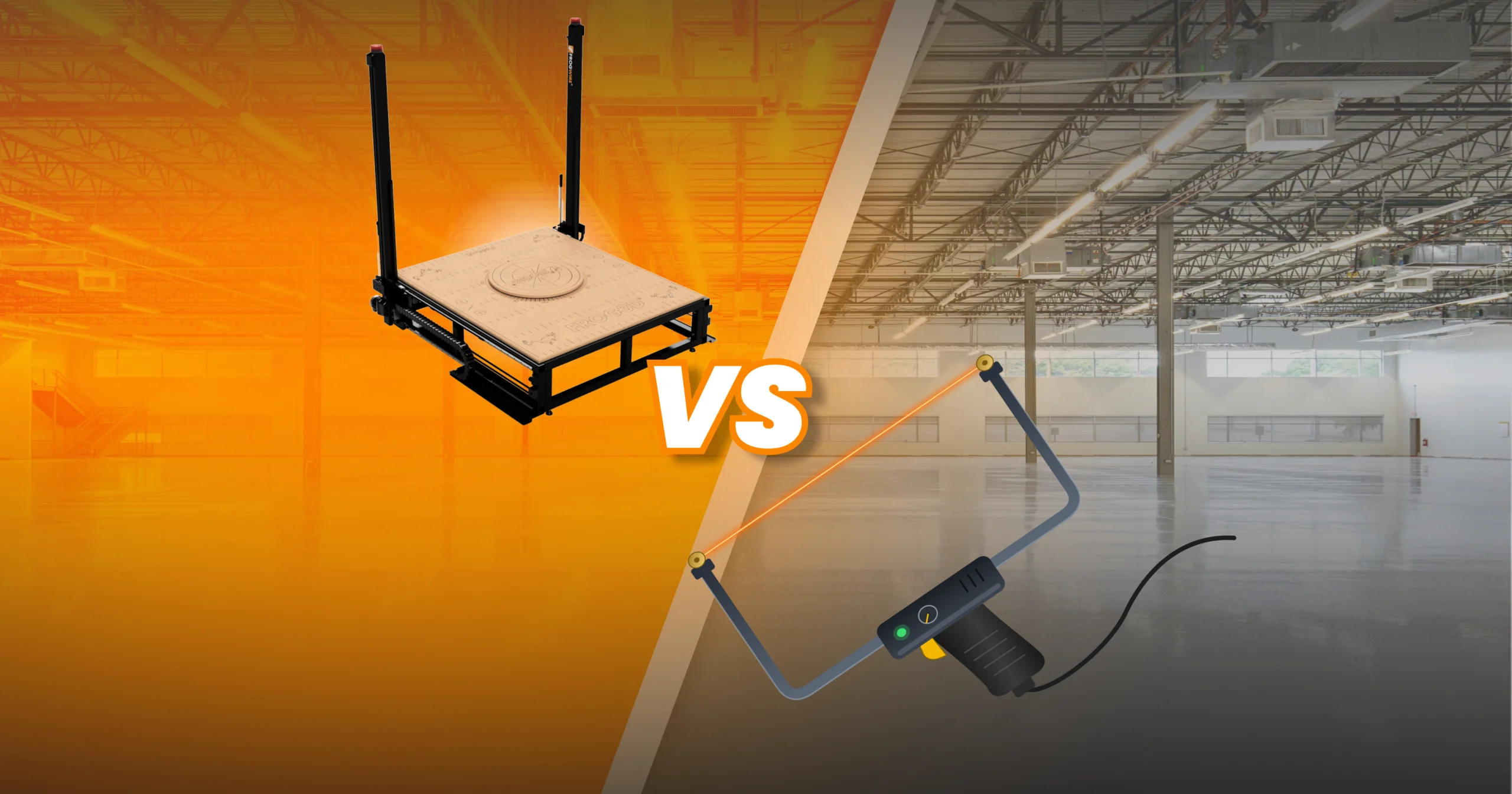
A hot wire cutter passes an electrically heated wire through foam, melting a clean path along a programmed toolpath. There’s no spinning tool, no flying chips and almost no cutting force. When a student makes a setup mistake, the usual cost is a piece of foam, not a broken tool or a damaged spindle.
That lowers the barrier to entry without lowering the learning. The FROGWire™ 4×4 is built for entry-level users, so students can focus on the process instead of fighting the machine.
Students still work through a complete CNC workflow:
- Prepare a CAD model and generate a toolpath
- Set up stock, orientation and machine limits
- Run the cut and inspect the result against the design
- Revise and cut again
Students come away designing for how a part will be produced, not just how it looks on screen, a skill that serves engineers, architects and designers alike.
From Rough Cuts to Wing Cores
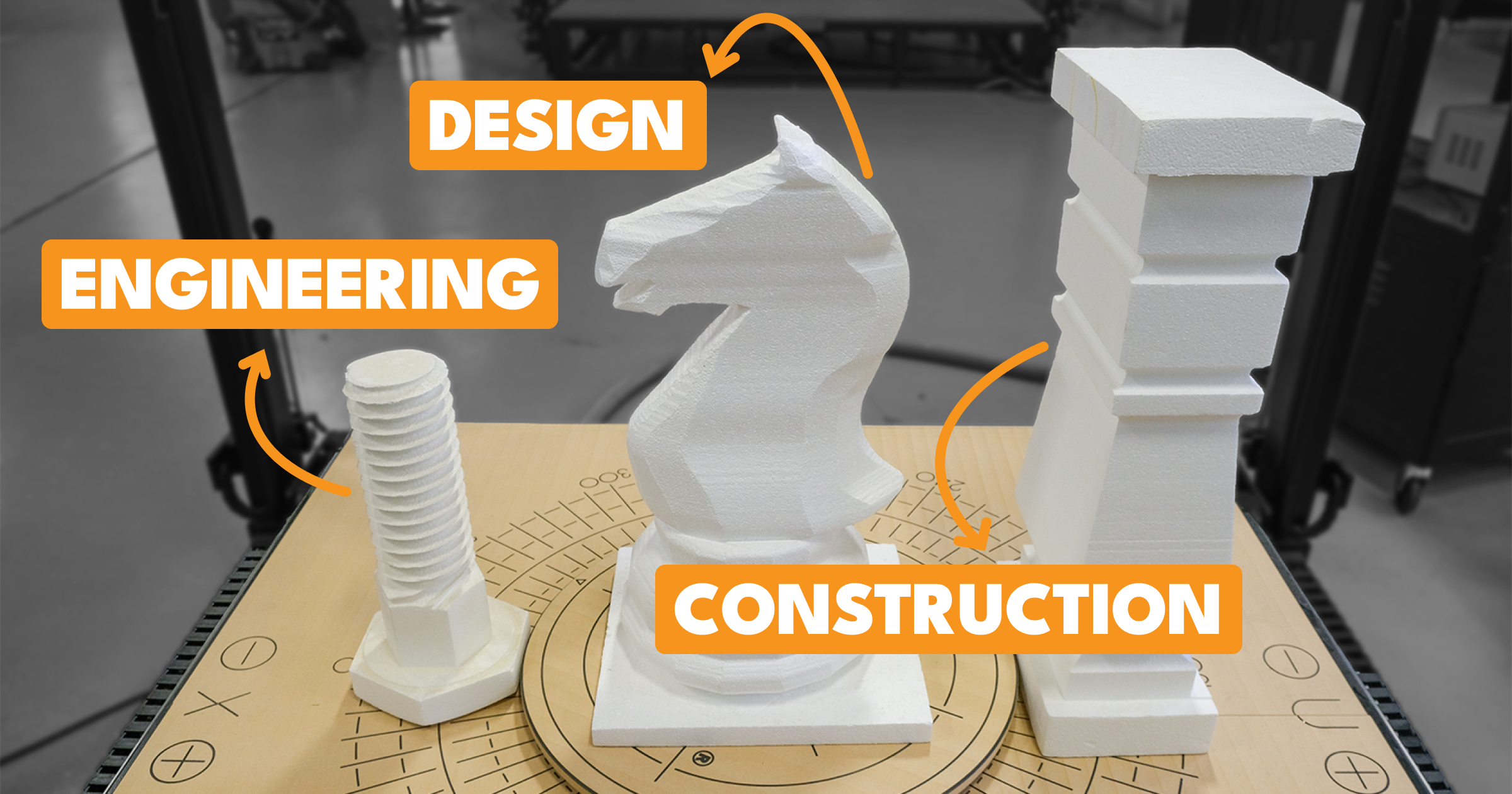
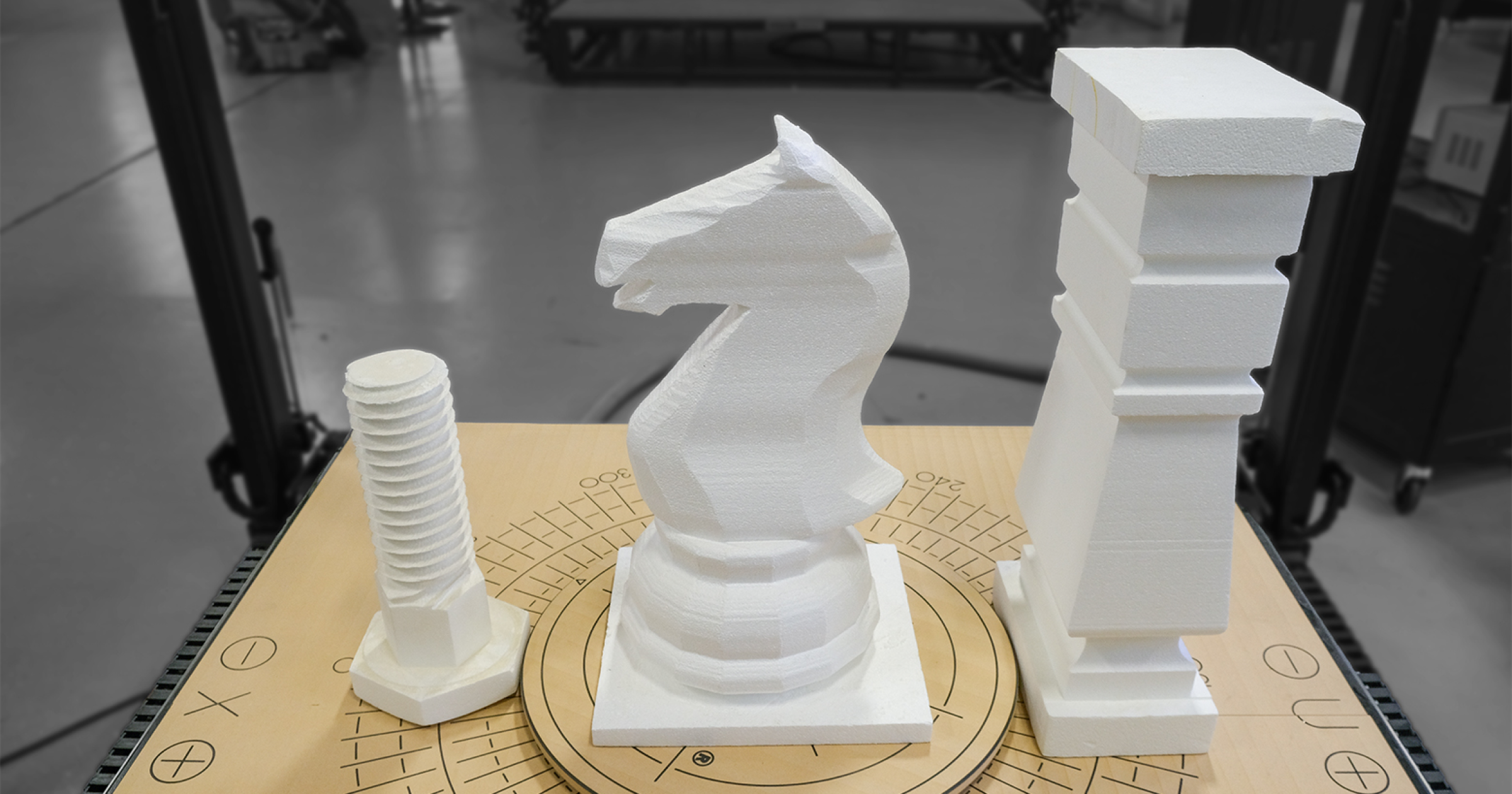
A hot wire works at both ends of a project. It can rough out large forms quickly before milling, or cut precise shapes that become part of the final build. Aircraft designer Burt Rutan built full-size aircraft this way: his designs flew on hot wire-cut foam wing cores wrapped in fibreglass. Student design-build-fly teams use the same approach for UAV wings today.
How the FROGWire™ Adds Value Across Departments
From airfoils to architectural models, one hot wire can serve several departments in a shared lab.
- Engineering and aerospace: Airfoils, wing cores and wind-tunnel models. Design-build-fly teams at the University of Michigan and Embry-Riddle use CNC hot wire cutters to build competition aircraft.
- Architecture and design: Massing models, façade studies and full-scale mock-ups. At Georgia Tech’s Digital Fabrication Lab, a 4-axis hot wire sits alongside CNC routers, a waterjet and robotic cells.
- Manufacturing and technical programs: Mold plugs, patterns and templates that build CNC fundamentals like setup, toolpaths and inspection.
Built Into Your Lab, Backed by Training
A hot wire doesn’t replace routers, mills or robots, it complements them. The hot wire shapes large forms quickly, while a router adds fine detail, which is why a FROGWire™ paired with the FROGMill™ is FROG3D’s most commonly purchased combination.
Every FROG3D machine comes with hands-on training, on-site or remote, so instructors are ready to teach operation, safety and software from day one, backed by ongoing technical support.
Ready to bring hotwire CNC into your fabrication lab? Explore the FROGWire™ 4×4 or talk to our team about outfitting your space.
 Skip to content